GET IN THE GAME. And know when to step out of it to come home to yourself.

GET IN THE GAME.

And know when to step out of it to come home to yourself.

#RebirthLeadership #JenCoaching

For a long time,

many of us practiced leadership through:

always moving,

always building,

always proving,

always staying in the field.

The next project.

The next opportunity.

The next responsibility.

The next version of success.

And unconsciously,

life slowly became:

constant motion.

Then one day,

we begin to feel deeper and deeper:

Not every game is meant to be played forever.

Some games teach us discipline.

Some teach us confidence.

Some teach us connection.

Some teach us survival.

And some games…

we quietly outgrow.

One of the hardest parts of leadership

is not entering the game.

It is knowing:

when the game is no longer aligned

with your soul,

your season,

your energy,

or your deeper direction.

Because sometimes we stay:

• out of identity

• out of guilt

• out of loyalty

• out of fear of disappointing others

• out of fear that stopping means failure

And slowly,

what once gave life

starts draining life.

Not every opportunity deserves your energy.

Not every role deserves your nervous system.

Not every game deserves your life force.

Nature does not rush endlessly.

It moves through:

seasons of action,

seasons of rest,

seasons of growth,

seasons of integration.

Leadership is the same.

Sometimes the most powerful decision

is not pushing harder.

It is:

re-centering.

Not abandoning ambition.

But reconnecting ambition with alignment.

Because true success is not:

winning every game.

It is:

remaining whole while playing.

* Get in the game.

* Get out of the game.

* Return to yourself.

With love,

Jen

#1000SoulsInMe #RebirthLeadership #ConsciousLeadership #GroundedLeadership #InnerLeadership #Jen2034 #534AM

🌿 TRIPLE SOUL LEADERSHIP FOR PRODUCTIVITY AND JOY

the future of leadership is built by integrated differences

There was a period in my life when I believed leadership meant becoming stronger alone.

More capable.
More disciplined.
More visionary.
More responsible.

And for many years, that worked.

I could lead projects.
Build communities.
Create programs.
Hold responsibilities.

But over time, I began noticing something deeper:

The more complex the vision became,
the less one person alone could sustainably hold it.

Not because the vision was wrong.

But because life itself is collective.

Nature never grows through isolation.

A forest becomes alive through relationships:
different trees,
different roots,
different rhythms,
different forms of intelligence
co-existing together.

And perhaps human leadership is the same.

🌿 FROM “STRONG INDIVIDUAL” TO “INTEGRATED ECOSYSTEM”

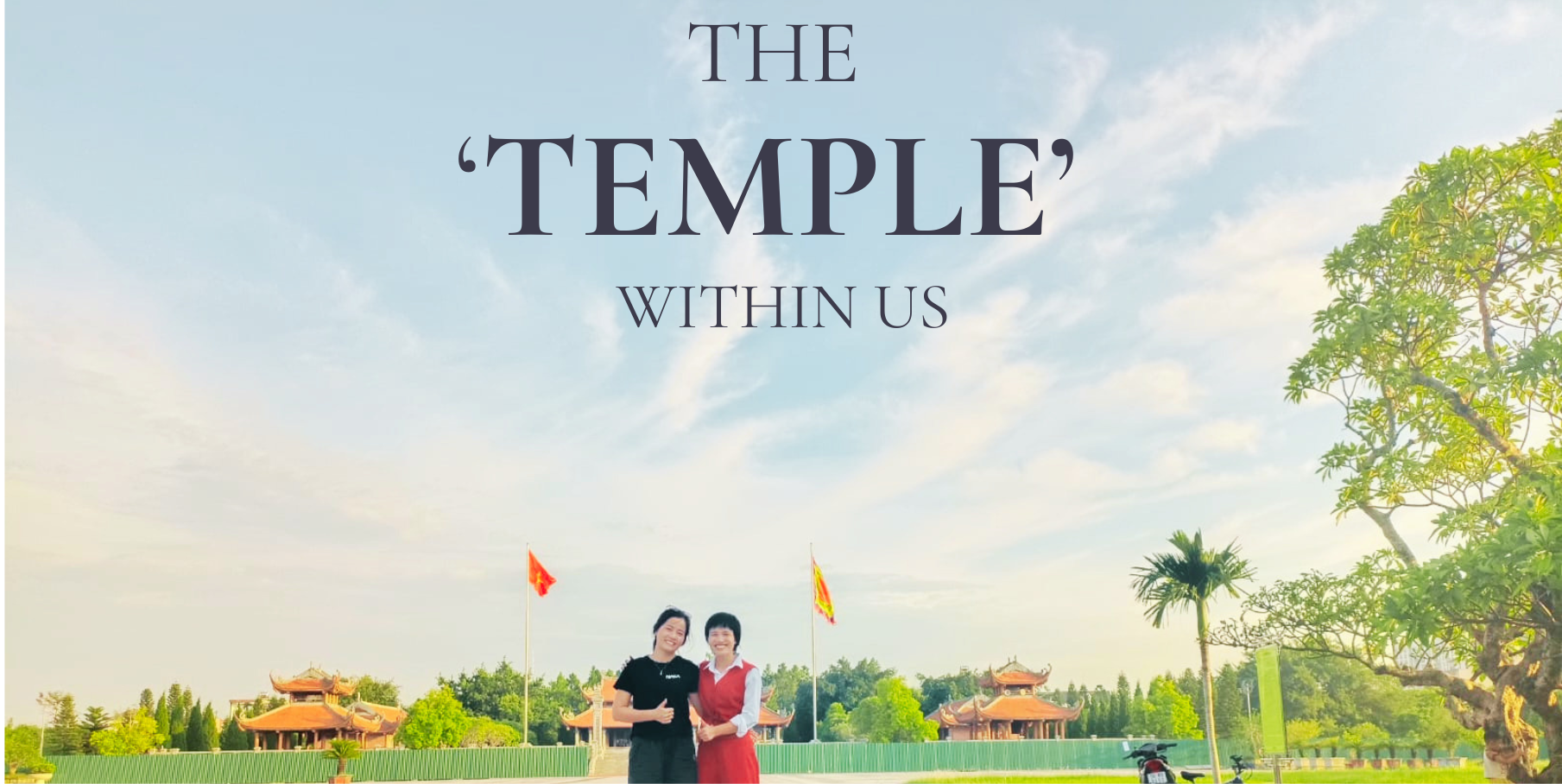
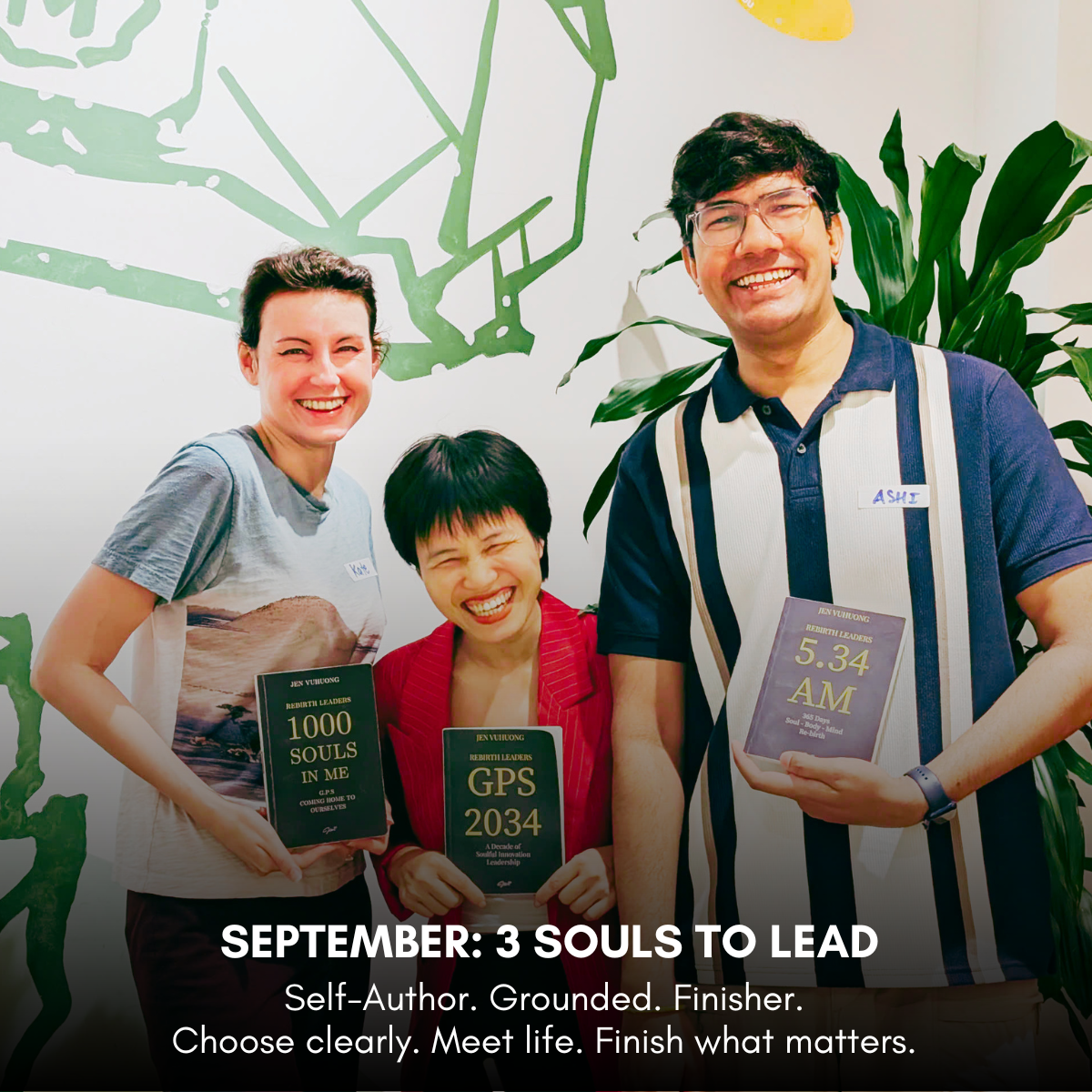
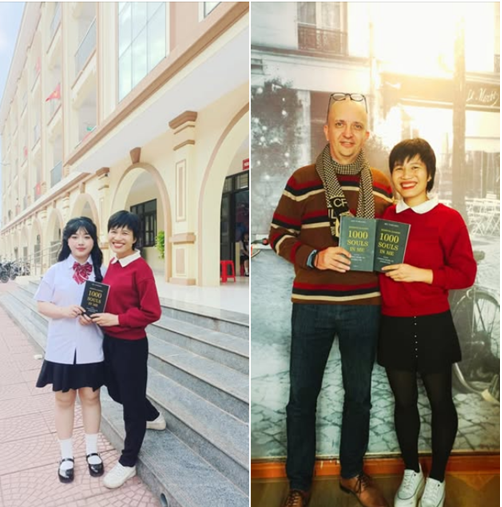
Recently, while standing in nature together with two people from different backgrounds and journeys, holding the books 5:34 AM, 1000 Souls in Me, and GPS 2034, I reflected on something I now call:

Triple Soul Leadership

Not a theory.

A living system.

Three humans.
Three nervous systems.
Three life stories.
Three different ways of seeing reality.

And yet —
when aligned through shared intention,
something larger than individual capacity begins to emerge.

Not because everyone becomes the same.

And because differences become integrated.

🌿 THE OLD MODEL OF LEADERSHIP

Many leadership systems were unconsciously built on:

  • control

  • hierarchy

  • overdependence on one strong leader

  • performance identity

  • emotional suppression

  • individual heroism

And eventually, this creates exhaustion.

Not only for the leader —
but for the entire ecosystem.

Because when one person carries too much:

  • others disconnect

  • creativity decreases

  • ownership weakens

  • relationships become transactional

  • pressure quietly grows

This is something I deeply experienced in my own journey.

Especially in innovation ecosystems, education, entrepreneurship, and conscious leadership work.

🌿 THE NEW OPERATING SYSTEM

The new leadership model is not:
“Who can carry the most?”

It is:

“How can we move together consciously?”

This requires a different inner architecture.

Not only skills.

And identity integration.

Because collective fragmentation often begins from inner fragmentation.

🌿 THE 3 LEVELS OF TRIPLE SOUL LEADERSHIP

1. 🌱 INNER INTEGRATION

Before leading others,
we first learn to lead the different voices within ourselves.

The ambitious one.
The fearful one.
The tired one.
The visionary one.
The one who wants freedom.
The one who wants safety.

When these parts fight each other,
we feel:

  • scattered

  • emotionally heavy

  • inconsistent

  • unclear

  • exhausted despite achievement

And when they begin moving together,
clarity naturally increases.

This is the essence of:

1000 Souls in Me.

2. 🌿 RELATIONAL INTEGRATION

Then we learn:
not everyone needs to think like us to move with us.

This changes everything.

Because mature leadership is no longer:
“how do I convince everyone?”

And becomes:

“How do we create alignment while honoring differences?”

This means:

  • listening without losing ourselves

  • setting boundaries without disconnecting

  • contributing without over-carrying

  • co-creating without controlling

3. 🌍 SYSTEM INTEGRATION

At the highest level,
leadership becomes ecosystem design.

Not simply motivation.

We begin asking:

  • What systems support healthy collaboration?

  • What rhythms create sustainability?

  • What roles allow people to contribute from strength?

  • What structures reduce emotional heaviness?

  • How do we create collective intelligence instead of dependency?

This is where leadership becomes architecture.

Not performance.

🌿 THE PRACTICAL SHIFT

Many people today are not lacking talent.

They are lacking integration.

This is why:

  • teams become emotionally exhausted

  • founders feel alone

  • communities lose energy

  • leaders overgive

  • meaningful visions become heavy

The solution is not simply:
“work harder.”

And not:
“escape responsibility.”

The shift is:

integrated leadership.

🌿 A SIMPLE PRACTICE

Before entering a meeting,
conversation,
or collaboration,
pause and ask:

“Are we trying to prove something…

or build something together?”

Then ask:

“What would alignment look like here?”

Not perfection.

Alignment.

That single reflection changes:

  • communication

  • emotional energy

  • decision making

  • collaboration quality

  • leadership maturity

🌿 THE FUTURE OF LEADERSHIP

I no longer believe the future belongs to the loudest leader.

Or the busiest.

Or the most controlling.

I believe the future belongs to:

  • integrated humans

  • emotionally grounded leaders

  • conscious ecosystems

  • collaborative intelligence

  • sustainable creators

People who can:
hold vision,
hold differences,
and still move together.

Because nature never asks the forest to become one tree.

It invites different forms of life
to co-create an ecosystem.

And maybe leadership is the same.

With gratitude,
Jen 🌿

INTEGRATION: the differences within us

For many years, we were taught an operating system built around pressure. Work harder. Push more. Carry more. Prove more. Hold everything together. This system can create results for a period of time, and many high-performing leaders build their lives this way. Yet eventually, something inside begins to feel disconnected. A successful outer life can exist together with an exhausted inner world. A person can lead teams, create impact, support many others, and still quietly feel far away from themselves. Achievement alone cannot create wholeness.

Nature reminded me of something different. The river does not force itself to become the mountain. The tree does not compare its speed with another tree. Grass does not question whether it deserves to exist. Everything participates in life through its own nature, and because of that, everything belongs. Nature never forces wholeness; it allows integration. Perhaps this is why simply sitting in nature can make our problems suddenly feel smaller. It is not because the problems disappear, but because we remember there is a larger intelligence moving through life than the pressure we create in our own minds.

This shifted how I see leadership. Real leadership is no longer simply about controlling more, achieving more, or carrying more responsibility. It is becoming a relationship with life itself. Not passive waiting. Not avoiding decisions in the name of “trusting the universe.” But learning to move with greater presence, discernment, and alignment. Learning to see clearly what truly belongs to us, what no longer feels aligned, and which parts of us are still operating from survival while another part is trying to evolve.

In the journey of “1000 Souls in Me,” I have been seeing more clearly that within each person there are many inner voices and identities living together. The achiever. The protector. The giver. The rebel. The visionary. The exhausted one. The hopeful one. The part still seeking love. The part ready to lead. When these parts pull against each other, we experience internal noise. We feel scattered even when everything externally appears successful. Yet when these parts begin listening to each other instead of fighting for control, something changes quietly inside us. Energy begins to return. Not because life suddenly becomes easy, but because we stop using our energy fighting ourselves.

I think this is why some people can build meaningful things while still feeling grounded and alive, while others remain depleted even after reaching success. One is creating from integration. The other is creating from internal pressure. Life amplifies both.

The deeper invitation now is not simply to become more productive. It is to become more integrated. To build a new operating system for life where openness can exist together with boundaries, contribution can exist together with rest, and ambition can exist together with peace. A system where we no longer abandon ourselves in order to create impact. A system where leadership is not fragmentation hidden behind performance, but wholeness expressed through conscious action.

Perhaps true power is not force. Perhaps true power is the ability to let all parts of ourselves move together in one direction. And perhaps this is what nature has been teaching us all along: life grows most powerfully not through pressure alone, but through alignment.

With gratitude and love,

Jen

THE 4 SOUL COUPLES for a productive, joyful day

THE 4 SOUL COUPLES
#RebirthLeadership #JenCoaching
1. FLOW × STRUCTURE
We flow with life, and we build with intention.
Flow: creativity, intuition, openness
Structure: discipline, clarity, execution
(Only flow → chaos, little results
Only structure → stress, little joy)

2. COURAGE × CALM
We act with courage, and we stay rooted in calm.
Courage: taking risks, stepping forward, leading
Calm: grounding, presence, emotional stability
(Only courage → overwhelm
Only calm → stagnation)

3. GIVING x RECEIVING
We give from fullness, and we receive with grace.
Giving: contribution, service, care, responsibility
Receiving: money, support, recognition, rest
(Only giving → not sustainable; Only receiving → not fulfilled)
Our Reflection for a day with Joy and Productivity:
+Where do I need more flow or structure today?
+Am I giving too much or not receiving enough?
+Do I need courage or calm in this moment?

4. And your 'soul couple' for a productive joyful day is...?
Dương Nhật Huy Do Hong Viet

#RebirthLeadership #JenCoaching #1000SoulsInMe #534AM

Life Evolves Us Through Stuck Moments

Stuckness can be a Signal of evolution—in Self and in others.

There are moments in life and leadership when we say:

“I feel stuck.”

And when we are inside that feeling, it can seem as if nothing is moving.

The plan is not moving.
The conversation is not moving.
The team is not moving.
The next version of ourselves is not moving.

And yet, sometimes what we call “stuck” is not the absence of movement.

Sometimes, it is the quiet preparation for another evolution.

🌿

Last week, two sharings reminded me of this.

One team member, standing in a co-living space in the mountains, said:

“Being here, I see all my problems become small.”

The problems had not disappeared.

And something had expanded.

The space. The view. The breath. The inner distance from the problem.

Nature did not solve everything for her.

And it helped her remember that she was larger than the situation she was holding.

In another space, a leader shared:

“I felt stuck on stage… and I chose to step forward anyway.”

The stuck feeling did not need to fully disappear before movement began.

One step created new energy.

One step changed the relationship with fear.

One step reminded the body:

“I can move.”

This is one of the deepest practices of Rebirth Leadership:

We are life.
We are not only the current situation.

The situation may reflect a part of us.

A fear.
A pattern.
A wound.
A need for clarity.
A desire that has not yet found language.

And it may also reflect a next capacity waiting to be awakened.

So instead of rushing to bypass the stuck moment, we can meet it more honestly.

We can ask:

What is this moment showing me?
What part of me is being invited to grow?
What perspective is too small now?
What one action can I take from here?

🌿 When leaders feel stuck

For leaders, stuckness often carries more weight.

Because leaders are expected to keep moving.
To know the answer.
To hold the direction.
To support others while still processing their own transition.

So when a leader feels stuck, it can easily become hidden.

But hidden stuckness often turns into:
+ quiet pressure,
+ unclear decisions,
+ overthinking,
+ or over-functioning.

This is why self-leadership matters.

Feeling stuck does not mean we have failed as leaders.

It may mean we are standing at the edge of a new level of clarity, capacity, or courage.

🌿 When we notice our team is stuck

Sometimes, we do not only feel stuck ourselves.

We notice it in others.

A team member is slow.
A project is not moving.
A partner does not respond with the energy we hoped for.
The system feels heavier than it should.

And the immediate reaction may be:

“Why are they stuck?”

But a more powerful leadership question is:

“What is this stuckness showing us?”

Is the team truly resistant,
or is the direction unclear?

Is the person unmotivated,
or is the role not well designed?

Is the project blocked,
or is the system asking for a new structure?

At this level, stuckness becomes information. Not blame.

🌿 The 3 Types of Stuck in Leadership

In Rebirth Leadership, we can begin to see stuckness through three lenses.

1. Clarity Stuck

“I don’t know what to do next.”

This shows up as confusion, overthinking, too many options, or lack of direction.

The signal:
a need for clearer thinking, structure, or decision.

The leadership move:
define the next visible step.

Not the whole map.
Just the next true step.

2. Emotional Stuck

“I know what to do, but I’m not moving.”

This shows up as fear, hesitation, doubt, resistance, or inner heaviness.

The signal:
a need for emotional integration and inner safety.

The leadership move:
acknowledge the feeling and take one small aligned action.

Movement does not need to wait until fear disappears.

Sometimes movement helps fear reorganize.

3. Structural Stuck

“We are trying, but nothing is moving.”

This often shows up in teams and partnerships.

Repeated friction.
Unclear ownership.
Slow execution.
Misalignment.
Too much emotional compensation for missing structure.

The signal:
a need for system, role, process, or expectation redesign.

The leadership move:
adjust the structure, not simply pressure the people.

Sometimes people are not the problem. The container is.

🌿 From Stuck → Signal → Shift → Step

This is a simple Rebirth Leadership loop.

1. Stuck

Name the moment.

“Something feels blocked here.”

Do not dramatize it.
Do not bypass it.

Simply name it.

2. Signal

Ask what the stuckness is showing.

Is it a clarity signal?
An emotional signal?
A structural signal?

Stuckness carries information.

3. Shift

Ask what needs to change.

A perspective may need to expand.
An emotion may need to be held.
A role may need to be clarified.
A system may need to be redesigned.
A conversation may need to happen.

This is the inner leadership moment.

4. Step

Take one aligned action. Not everything.

One step.

One message.
One decision.
One conversation.
One boundary.
One breath.
One movement forward.

Because movement often returns through something small, true, and doable.

🌿 Practical examples

When you feel stuck in work, you may not need to solve the whole project. You may need to name the next visible step.

When you feel stuck in leadership, you may not need to explain yourself more. You may need to clarify your role, boundary, or decision.

When your team feels stuck, you may not need to push harder. You may need to ask whether the goal, owner, process, or rhythm is clear enough.

When a relationship feels stuck, you may not need to carry the whole emotional field. You may need one honest conversation.

When you feel stuck within yourself, you may not need to become a new person overnight. You may need to listen to the part of you that has been waiting to be seen.

Being stuck and becoming ready can exist together.

Feeling uncertain and taking one step can happen together.

Not knowing the full path and honoring the next true movement can happen together.

You are not “stuck”. You are a living being in a moment of transition.

And transition often feels unclear before it becomes meaningful.

🌿 The practice when you feel stuck

  • See clearly — so we do not dramatize or deny the moment.

  • Stay present — so we can receive the message inside it.

  • Take one aligned action — so life can begin moving through us again.

Not to escape the moment. And to move with it.

Not to rush the answer. And to allow the next step to reveal itself.

You don't need to have the full answer; you can start with widening the view.

  • To breathe.

  • To remember that the problem is not the whole sky.

  • To notice whether this stuckness is asking for clarity, emotional integration, or structure.

  • To take one step that restores movement.

  • To trust that what feels stuck may be the doorway into a more evolved version of you, your leadership, or your team.

🌿 Super Sunday Reflection

Where in your life or leadership do you feel stuck right now?

What is this stuckness showing you?

Is it asking for:
clarity, emotion, or structure?

And what is one small, honest action you can take today?

Because sometimes life does not evolve us by giving us certainty first. Sometimes life evolves us by meeting us inside the stuck moment — and inviting us to take one true step forward.

With love and gratitude,
Jen 🌿

#RebirthLeadership #Empowerment #SelfLeadership #InnerLeadership #JenCoaching #Jen2034 #SuperSundayNote

INTEGRATED ALIGNMENT: leadership power multiplies

HELLO and the power of integrated ALIGNMENT

#1000SoulsInMe #RebirthLeadership #JenCoaching

Hello (Jen’s nephew):

For your next book, I want you to give me “The Magical Path.”

Jen:

What makes you like that book, even though you still have many unread ones?

Hello:

Because the title sounds good. When I hear it, I feel more like reading it.

Jen:

So the title really matters. If a book had a less exciting title but meaningful content, would you still read it?

Hello:

Maybe… but a good title makes me more interested.

Jen:

What if my next book is called “1000 Souls in Me” — would you want to read it?

Hello:

That sounds interesting, auntie. If we had 1000 souls inside us, we would probably explode.

Jen:

What would make us explode?

Hello:

Because the souls would fight each other, everything would become chaotic, and we wouldn’t be able to control them.

Jen:

And if those 1000 souls worked together, would we have the power of 1000 souls?

Hello:

That would be amazing… super powerful!

Hello and that conversation reflects something deeper in leadership.

Most leaders today are not lacking capability.

We are navigating:

+multiple roles

+competing priorities

+different identities

+inner contradictions

And often, it feels like: too many directions… not enough clarity.

So we try to cope by:

+reducing

+controlling

+forcing ourselves into one “clear version”

And these approaches do have their place.

They help us create structure.

They help us move forward.

AND over time, we begin to see their side effects.

+Instead of clarity,

we feel tension.

+Instead of direction,

we feel fragmentation.

Because different parts of us are still speaking,

still pulling,

still wanting to be expressed.

It can feel like internal noise.

Like different “1000 souls” within us

competing with each other.

And at some point, leadership asks for a deeper shift:

+not to suppress these differences, but to integrate them

+not to force one voice to win, but to bring them into alignment

This is where a different kind of power emerges.

+Not from becoming smaller.

+Not from becoming simpler.

+But from bringing our complexity

into one aligned direction.

And this is the shift leadership is asking from us now:

+not to silence parts of ourselves

but to lead them

+ to align thought, emotion, action, and intention

into one clear direction.

A REFLECTION for us today:

Where in your leadership

do you feel internal noise?

And what would change

if those parts of you

worked together

instead of against each other?

With love and gratitude,

A wonderful day for us,

Jen

#rebirthleaders #1000soulsinme #534am #jencoaching #jenvuhuong

OUR DAILY 'MIRRORS'

#TuesdayRebirth🌿 OUR DAILY 'MIRRORS'
Every person, every moment, every experience mirrors a part of our inner world; not in a theoretical way, in a very practical leadership way.

Recently, I’ve been noticing something across conversations with founders, leaders, and teams:
+ The moments that trigger us the most
+ The people we feel stuck with
+ The partnerships that feel “not aligned”

Often… are not only about them.
They are mirrors.
+A team member who doesn’t move fast enough →
may reflect where we haven’t created enough clarity.
+A partner who questions us →
may reflect where we are not fully grounded in our own direction.
+A situation that feels frustrating →
may reflect a pattern we haven’t completed within ourselves.

This is not about blaming ourselves, it is about reclaiming leadership power.
Because the moment we see something as a mirror,
we move from:
- “Why are they like this?”
to
+ “What is this showing me — and what can I lead differently?”

In high-growth environments, this shift is critical.
Because many leaders I work with are:
carrying too much
expecting without clarifying
over-explaining instead of structuring
or trying to fix people instead of refining systems

💬 A foundational but powerful practice I often use in coaching:
When something feels off, pause and ask:
+What is the mirror here?
+Is this about clarity, structure, or expectation?
+What is actually mine to lead — and what is not?

Because not every mirror asks you to fix something.
Some mirrors ask you to:
set a boundary
communicate clearly
redesign the system
or simply… stop over-entering the situation

🌱 The leaders who grow fastest are not the ones who avoid friction.
They are the ones who learn from it cleanly.
If you are currently navigating:
team misalignment
partnership tension
or a sense of “something is not flowing”
It might not need more effort.
It might need a clearer reflection.
#RebirthLeadership #Leadership #Founders #SelfLeadership #Growth #JenCoaching

I’ve been opening a few 30-min conversations recently
for leaders who want to look at their current level
and to see what is actually happening, clearly to then design the next level.
If this resonates, you’re welcome to reach out.
Love and gratitude,
Jen 🌿

🌿 From Expectation to Appreciation: A Subtle Shift That Changes Leadership Energy


#RebirthLeadership #Jen2034 #LeadershipEvolution

There is a quiet shift that does not often get talked about in leadership.

Not in frameworks.
Not in KPIs.
Not in strategy decks.

But it shapes everything.

It is the shift from:

Expectation → to Appreciation.

🌿 The Invisible Weight of Expectation

Expectation is not wrong.

In fact, it is necessary.

It creates:

  • direction

  • standards

  • accountability

  • movement

Without expectation, nothing is built.

But when expectation becomes the dominant energy in leadership, something subtle begins to happen.

It turns into pressure.

And pressure, over time, becomes:

  • frustration

  • silent disappointment

  • emotional distance

  • breakdown in trust

Not because people are incapable.

But because expectation often carries an unspoken message:

“You should already be there.”

And when someone feels constantly measured against a version of themselves they have not yet become,
they do not expand.

They contract.

🌿 Appreciation Is Not the Opposite of Expectation

Many leaders misunderstand this.

They think:

  • If I appreciate more → I lower standards

  • If I reduce expectation → I lose control

  • If I soften → performance drops

But appreciation is not about removing expectation.

It is about repositioning it.

👉 Expectation belongs in structure.
👉 Appreciation belongs in energy.

🌿 The Leadership Maturity Shift

Early leadership often sounds like:

  • “Why is this not done yet?”

  • “You should have done this better.”

  • “This is not what I expected.”

Mature leadership sounds different.

It becomes:

  • “I see what is working here. What is needed next?”

  • “Let’s build on this.”

  • “Here is the gap — and here is how we move forward.”

Same standard.

Different energy.

And that difference changes everything.

🌿 The Deeper Truth Leaders Often Miss

Expectation becomes heavy not only because of others.

But because of how we hold people in our minds.

We often expect from:

  • their past performance

  • our internal standards

  • an imagined version of their potential

And when reality does not match that image,
we feel frustration.

But that frustration is not always about them.

It is about the gap between:
👉 who they are today
👉 and who we think they should be

🌿 Appreciation Brings Leadership Back to Reality

Appreciation does not mean “everything is fine.”

It means:

I choose to see clearly before I decide.

It asks:

  • Who is this person — today?

  • What is actually working — now?

  • What truly matters — next?

From this place, leadership becomes:

  • more grounded

  • more precise

  • less reactive

  • more effective

🌿 Practical Leadership Application

Here is how the shift looks in real leadership moments:

1. In Teams

Instead of:
→ managing through pressure

Shift to:
→ acknowledging effort + clarifying direction

2. In Partnerships

Instead of:
→ expecting emotional alignment

Shift to:
→ aligning on roles, outcomes, and responsibilities

3. In Self-Leadership

Instead of:
→ pushing yourself with silent expectation

Shift to:
→ recognizing progress + choosing next action

Because often, the harshest expectations are the ones we place on ourselves.

🌿 The Energy That Builds vs The Energy That Drains

Expectation alone builds structure.

But appreciation builds:

  • trust

  • resilience

  • ownership

  • long-term sustainability

And leadership is not only about what we build.

It is about:

what kind of energy we build it with.

🌿 The Deeper Integration

This is not about becoming softer.

This is about becoming more precise.

To:

  • see clearly

  • feel fully

  • decide consciously

To hold:

  • high standards

  • without heavy pressure

To lead:

  • with clarity

  • without emotional noise

🌿 A Question for Your Leadership This Week

Not:

“Am I expecting too much?”

But:

“Where is expectation creating pressure
that could become appreciation + clarity instead?”

🌿 Final Reflection

Leadership does not become lighter because we expect less.

It becomes lighter because we:

  • see more clearly

  • appreciate more consciously

  • and lead more intentionally

And from there, something shifts.

People do not just perform.

They grow.

And so do we.

With love and gratitude,
Jen 🌿

🌿 When Life Changes, Leadership Evolves. We may even learn to love insects and mice more?

Sometimes the next level is not control. It is harmony.

“Maybe they will evolve. Or maybe we will evolve to live with them in a more harmonious way.”
— an insight from a driver

Sometimes leadership wisdom does not arrive in a boardroom. It arrives in an ordinary conversation, through an unexpected voice, and lands with unusual precision.

Recently, I asked a driver:

“If everything becomes very clean—so clean that insects and mice have no place to live—what happens?”

He paused. Then he said:

“Maybe they will evolve. Or maybe we will evolve to live with them in a more harmonious way.”

That answer stayed with me.

Because in one simple sentence, he described something many leaders spend years trying to understand:

When conditions change, life does not simply disappear.
It reorganizes.
It adapts.
It reveals a deeper perspective.

And often, the deeper invitation is not merely for the environment to change.
It is for us to change with it.

This is not only about ecosystems.

It is about leadership.
How we lead businesses.
How we lead teams.
How we lead ourselves through seasons that no longer respond to old methods.

When leadership becomes “cleaning up”

When things feel messy, slow, emotional, or misaligned, many leaders instinctively move into correction mode.

We tighten systems.
We fix people.
We remove friction.
We optimize processes.
We “clean up” culture.

Sometimes those moves are necessary.

But underneath them, there is often a more subtle pattern:

We start trying to eliminate everything that makes us uncomfortable.

The difficult team member.
The unresolved tension.
The ambiguity in direction.
The fatigue we do not want to face.
The version of ourselves that no longer feels fully in control.

And this is where leadership quietly changes form.

It stops being clarity.
And starts becoming control.

Not because the leader is bad.
But because uncertainty activates the part of us that wants safety faster than truth.

The 3 ways leaders respond to change

When conditions shift, leaders usually respond in one of three ways:

1. Elimination

Remove what feels uncomfortable.

  • Fire quickly

  • Cut complexity

  • Shut down tension

  • Simplify aggressively

Result: short-term relief, long-term fragility.

2. Optimization

Improve what already exists.

  • Better systems

  • Clearer KPIs

  • More structure

  • More efficiency

Result: greater stability, but often a plateau.

3. Evolution

Ask what this moment is asking you to become.

  • What is this revealing?

  • What must mature?

  • What new capacity is now required?

Result: transformation, resilience, and sustainable growth.

Most leaders are trained in elimination.
Many become skilled at optimization.
Very few are truly developed in evolution.

And yet, evolution is where the next level of leadership lives.

Not every problem is a problem

One of the most practical shifts a leader can make is this:

Not everything that feels like a problem is a problem.
Some things are signals.

A problem mindset asks:

  • How do I fix this?

  • Who is responsible?

  • How do I remove this quickly?

A signal mindset asks:

  • What is this showing me?

  • What is no longer working beneath the surface?

  • What is being asked to change in the system—or in me?

This matters because leaders often waste energy trying to solve what was actually meant to awaken them.

For example:

A disengaged team member may not only be a performance issue.
It may be a signal of stalled ownership, low trust, or a culture that has outgrown its current leadership style.

Constant misalignment may not only be a communication issue.
It may be a purpose issue.
A decision issue.
A clarity issue at the core.

Founder exhaustion may not only be a workload issue.
It may be an identity threshold.

Sometimes what looks operational is actually evolutionary.

The Evolution Lens: 5 questions for any stuck season

When something feels repetitive, tense, or heavier than it should, pause and ask:

1. What condition has changed?

The market?
The team?
The scale?
Your own level of awareness?

2. What no longer fits this new condition?

A structure?
A role?
A habit?
A leadership style?

3. What is trying to emerge?

A more mature culture?
A new way of deciding?
A new level of ownership?
A new version of you?

4. What in me is still operating from the old environment?

Urgency?
Proving?
Over-responsibility?
Control?
Fear of letting go?

5. What would a more mature version of leadership look like here?

Not the fastest version.
Not the most controlling version.
The wisest version.

These questions move us from reaction to conscious evolution.

The deeper leadership paradigm: control or harmony

What stayed with me most about the driver’s answer was this:

He did not say, “Remove them.”
He said, “Maybe they evolve. Or maybe we evolve.”

That is a profound leadership distinction.

Control Leadership says:

  • Force alignment

  • Remove difference

  • Reduce unpredictability

  • Prioritize efficiency above all

Harmony Leadership says:

  • Design strong conditions

  • Hold clear structure

  • Work with complexity

  • Evolve relationships, not just systems

Harmony is not weakness.
It is not passivity.
It is not a lack of standards.

Harmony is the strength to hold complexity without collapsing into force.

It is the maturity to recognize that not all growth comes from pressure.
Some growth comes from creating conditions where life can reorganize intelligently.

That is the heart of Rebirth Leadership.

For founders: the season that gets misdiagnosed

Many founders reach a moment where:

The business still works, but feels heavy.
The team still performs, but lacks aliveness.
The systems improve, but something essential feels off.

This is often misread as a performance problem.

But often, it is something deeper.

It is an identity threshold.

You are no longer the founder who built the first phase.
But you are not yet fully embodying the leader who can hold the next one.

And this is why more tactics do not always solve the tension.

Because the next step is not always to do more.

Sometimes the next step is to become different.

The 3 founder evolutions

Phase 1: The Builder

  • Hands-on

  • Fast-moving

  • Decisive

  • Highly controlling when needed

This phase creates momentum.

Phase 2: The Operator

  • System-focused

  • Process-aware

  • Delegation-oriented

  • Structure-building

This phase creates stability.

Phase 3: The Evolver

  • Holds complexity

  • Develops people deeply

  • Shapes identity and culture

  • Leads transformation, not only execution

This phase creates longevity.

Most struggle happens between Phase 2 and Phase 3.

Because this is where leadership stops being mainly about management and starts becoming about embodiment.

Not just what you run.
But who you are while running it.

Inner leadership: what we keep trying to remove

This same pattern exists internally.

We often try to “clean up” parts of ourselves:

Fear.
Overthinking.
People-pleasing.
Control.
Emotional sensitivity.
Defensiveness.
The need to prove.

But many of these were once intelligent adaptations.

They protected us.
Helped us survive.
Helped us achieve.
Helped us belong in environments that demanded a certain version of us.

So inner leadership is not always:

remove → replace

Sometimes it is:

recognize → integrate → evolve

You do not become more powerful by rejecting every part of your past self.

You become more powerful when you understand what each pattern was trying to do for you—and then consciously lead it into a more mature form.

A simple practice for this week

This week, when something feels frustrating, messy, or “wrong,” pause before you fix it.

Write:

  • What am I trying to eliminate right now?

  • What discomfort am I unwilling to sit with?

  • What might this moment be inviting me to learn, mature, or evolve?

Then ask:

What would the wiser version of me do here?
Not the faster version.
Not the more pleasing version.
Not the more controlling version.

The more conscious version.

That question alone can change the quality of your leadership.

Closing reflection

The driver said:

“Maybe they will evolve. Or maybe we will evolve to live with them in a more harmonious way.”

That feels like leadership wisdom for this era.

Because not everything in life needs to be removed.

Some things are here to:

stretch us
refine us
humble us
deepen us
mature us
evolve us

And sometimes the real shift is not in what is happening around us.

It is in who we become in order to meet it.

So in your business, your team, your relationships, your own inner life—

What are you trying to clean up…
that may actually be inviting you to evolve?

With love and gratitude,
Jen 🌿

#rebirthleadership #founderjourney #leadershipdevelopment #consciousleadership

A space to explore your next evolution

If you are in a season where something feels unclear, heavy, or ready for the next level—and you sense the answer is not only operational, but deeper—I’m opening a few 30-minute Rebirth Leadership conversations.

A space to:

  • see clearly what is actually happening beneath the surface

  • identify what is being invited to evolve

  • align your next step with who you are becoming
    Let’s co-evolve.

🌿 Kindness as Leadership: A Small Counter, A Big Lesson

After a hike, we stopped by a small shop to get some water.

It was an ordinary moment.
Or at least, it seemed that way.

As we queued, Jen noticed something interesting —
everyone leaving the counter had a smile. Not a polite smile, but a warm, vibrant one.

The closer we got, the more visible it became.
Something was happening there.

When it was finally my turn, I understood why.

Behind the counter stood a woman with a radiant smile and a warm, grounded presence. She greeted each person not as a transaction, but as a human being.

She offered simple compliments.
She wished people a beautiful day.
She looked at them — fully, attentively, sincerely.

Deeply impactful.

I told her,
“Your smile makes everyone feel happy.”

She replied,
“It’s Friday… everyone deserves to feel good after a long working week. I just hope I can make each person feel a little lighter.”

And that moment came as a reminder for us about KINDNESS LEADERSHIP.

🌱 The Leadership We Don’t Talk About Enough

We often associate leadership with scale —
with titles, systems, influence, and visibility.

And what if leadership begins somewhere much simpler?

What if leadership is not first about managing others,
but about how we show up in a single moment?

That woman was not leading a team.
She was not running an organization.
She was not speaking on a stage.

Yet, she was practicing one of the most powerful forms of leadership:
emotional impact through presence.

🌿 The Ripple Effect of a Small Moment

What she created in that small shop was not just a good customer experience.

She shifted energy.

One smile became many smiles.
One moment of kindness became a chain reaction.

Each person who walked away lighter
carried that energy into their next interaction —
their next conversation, their next meeting, their next decision.

This is how culture is built.
This is how leadership scales — quietly.

Not always through systems.
But through human-to-human transmission of energy.

🌿 Redefining Leadership in Today’s World

In a world driven by performance, productivity, and measurable outcomes,
we often overlook something essential:

How people feel in our presence.

Leadership today is not only about:

  • strategy

  • execution

  • results

It is also about:

  • awareness

  • presence

  • emotional impact

Because people don’t just remember what you say or do.
They remember how they felt when they were with you.

And that feeling shapes everything that follows.

🌿 Kindness Is Not Soft — It Is Strategic

Kindness is often misunderstood as something “soft” or secondary.

But in reality, it is one of the most scalable and sustainable forms of influence.

Kindness:

  • builds trust faster than authority

  • creates openness instead of resistance

  • strengthens connection across differences

  • sustains long-term collaboration

It does not require budget, hierarchy, or permission.

It requires presence.

🌿Everyday Leadership, Everywhere

That day reminded me of something simple, yet profound:

We don’t need a title to lead.
We don’t need a platform to create impact.

We only need to choose how we show up.

In a meeting.
In a classroom.
In a conversation.
Or even… at a small counter.

Every moment is an opportunity to lead.

🌱 A Reflection for You

Today, pause for a moment and ask yourself:

  • How do people feel after interacting with me?

  • What kind of energy do I bring into a space?

  • Where can I create a small moment that changes someone’s day?

Because leadership does not begin when we are ready.
It begins when we are present.

🌿 Final Thought

Sometimes, one smile is enough
to turn an ordinary day into something meaningful.

And sometimes,
the most powerful leaders
are the ones we almost overlook.

If this resonates, I’d love to hear:
What is a small moment of kindness that stayed with you?

Nature Invites Us to Co-Walk the Path of Unlimited Possibilities

There are seasons in life when we want the path to be clear before we begin.

We want the full answer.
The complete map.
The certainty that the next step will work.

This is especially true for leaders, founders, and people carrying responsibility for others. When many things depend on us, it feels safer to move only when the road is fully visible.

And yet, life rarely grows that way.

Nature reminds us of this quietly.

A tree does not wait to understand the whole sky before it grows upward.
A seed does not demand proof before it opens.
A season does not apologize for being incomplete while it is becoming the next one.

Nature moves with rhythm.
With timing.
With relationship.
With readiness.

And perhaps our deeper leadership asks the same of us.

When we are in transition, certainty becomes seductive

Many people are in a threshold season right now.

An old role no longer fits.
A business model is changing.
A version of success that once made sense no longer feels fully alive.
A quieter but truer calling is asking for more space.

In seasons like this, the mind usually becomes louder.

It wants immediate clarity.
It wants control.
It wants guarantees.

This is understandable.

But often, the most meaningful paths in our lives do not begin with full certainty. They begin with a quieter kind of knowing.

A pull.
A signal.
A repeated invitation.
A possibility that keeps walking beside us, even when we have not yet found the perfect language for it.

That is why transition can feel both beautiful and uncomfortable at the same time.

One part of us wants to rush forward.
Another part of us knows that forcing the next chapter too quickly may disconnect us from what is truly emerging.

Possibility is not something we always create by force

We often speak about creating possibilities.

And yes, action matters. Vision matters. Courage matters.

But there is another truth that matters just as much:

Not every possibility is manufactured.
Some possibilities are revealed through relationship.

Through the relationship between us and life.
Between us and timing.
Between us and the deeper truth trying to take shape through us.

This is why I love the phrase co-walk.

Not forcing life.
Not waiting passively.
But walking with.

Walking with what is opening.
Walking with what is becoming visible.
Walking with what feels quietly true, even before it feels fully convenient.

This kind of walking requires a different kind of strength.

Not the strength of control.
The strength of attunement.

The practical challenge for leaders

For leaders and founders, this is not abstract.

It becomes practical very quickly.

Because when you are leading a team, building a business, navigating uncertainty, or carrying a community, your nervous system often learns to associate speed with safety.

If I move quickly, I stay ahead.
If I solve it now, I stay in control.
If I decide fast, I reduce discomfort.

But there are seasons where moving faster does not create more truth.

It only creates more noise.

In those seasons, what is needed is not less leadership.
It is deeper leadership.

Leadership that can pause without collapsing.
Leadership that can listen without drifting.
Leadership that can sense what is alive before turning it into strategy too quickly.

This is not softness in the weak sense.

It is maturity.

Because a mature leader knows that not every unclear season is a problem.
Sometimes it is a preparation.

Nature teaches us how to stay with emergence

When I spend time in nature, I am reminded that growth rarely happens in a dramatic straight line.

It happens through cycles.

A season of flowering.
A season of pruning.
A season of roots going deeper where no one can see.
A season of apparent stillness that is actually preparation.

Human life is not separate from this.

Yet many of us judge ourselves harshly in seasons that look less productive from the outside.

We call them delay.
We call them confusion.
We call them not enough.

But maybe some of these seasons are not signs that we are lost.

Maybe they are signs that something deeper is reorganizing.

Maybe possibility is not absent.
Maybe it is asking for a different pace of relationship.

What co-walking looks like in practice

Co-walking with possibility is not vague. It can be practiced.

It looks like noticing what keeps returning to your heart, even when you try to dismiss it.

It looks like paying attention to what gives you life, not just what gives you pressure.

It looks like not making every decision from fear, urgency, or comparison.

It looks like taking one honest step with what feels true, even if you still cannot see ten steps ahead.

It looks like asking better questions.

Not only:

What should I do next?

But also:

What possibility is already walking beside me?
What is asking for trust, not force?
What becomes more visible when I stop demanding instant clarity?

These questions change the quality of our movement.

Because they bring us back into relationship.

The next step does not need to be loud

One of the beautiful things about true possibility is that it is not always loud.

It is not always the most impressive.
Not always the safest.
Not always the one that wins approval quickly.

Sometimes the truest next step is very quiet.

A conversation you know you need to have.
A project you need to simplify.
A role you need to release.
A rhythm you need to protect.
A version of yourself you need to stop performing.
A new path you need to start honoring before it fully makes sense to others.

The next step may not look dramatic.

But it may feel honest.

And honesty is often how the path begins to reveal itself.

Rebirth leadership and possibility

For me, this is deeply connected to Rebirth Leadership.

Rebirth Leadership is not only about building the next thing.

It is about becoming the kind of person who can walk with truth while it is still emerging.

Not abandoning yourself in the in-between.
Not forcing clarity before it is ripe.
Not collapsing into passivity either.

But learning how to stay present enough, clear enough, and grounded enough to recognize what life is inviting you into next.

This is a leadership of rhythm.
Of inner steadiness.
Of relationship with what is becoming.

And in that sense, unlimited possibilities are not just “out there.”

They are already around us, within us, beside us.

The question is whether we are moving in a way that allows us to notice them.

A practice for this week

If you are in a season of transition, try this simple reflection:

Sit quietly for a few minutes and ask yourself:

  • What possibility keeps returning to me lately?

  • What am I trying to force that may need more listening?

  • What feels quietly true, even if it is not yet fully formed?

  • What is one honest step I can take without demanding the whole map?

Then take that one step.

Not the step that impresses the most.
The one that deepens relationship with what is real.

A closing reflection

Nature invites us to co-walk the path of unlimited possibilities.

Not because everything is easy.
Not because everything is certain.

But because life is often more generous than our fear allows us to see.

Some paths do not open because we conquer them.

They open because we learn to walk with them.

With presence,
Jen 🌿

Our 'leadership treasures' are hidden in our responses

There is a quiet layer of leadership that is not often spoken about enough.

It is not only about vision.
It is not only about communication skills.
It is not only about decision-making, confidence, or performance.

It is about something more subtle:

the place inside us from which we respond.

Because very often, what shapes a conversation, a relationship, a team dynamic, or even the direction of a whole day, is not only what happened.

It is how we responded to what happened.

And when we begin to look deeply, we see that our response is often older than the moment itself.

A comment from someone.
A delay.
A disagreement.
A silence.
A message that did not come.
A person behaving in a way we did not expect.

On the surface, these are present-moment situations.

But what they can awaken inside us is not always present-moment awareness.

Sometimes, they awaken a very old intelligence.

The part of us that learned, as a child, how to stay safe.
How to stay loved.
How to stay accepted.
How to stay in control.
How to not disappoint.
How to not be too much.
How to avoid rejection.
How to survive discomfort.

These early responses are not “bad.”
In many cases, they were wise for the time.

They protected us.
They helped us navigate environments that may not have had space for our fullness.

But if they remain unquestioned, they can quietly shape the way we lead, love, speak, work, and respond — even when our life has changed.

And this is where the inner work of leadership becomes essential.

Leadership response is not always present response

Many adults become highly skilled at responding in ways that are socially acceptable.

We learn how to be:

  • professional

  • calm

  • strong

  • polite

  • productive

  • “good” leaders

  • “good” team members

  • “good” daughters, sons, partners, founders, managers

But a polished response is not always a conscious response.

Sometimes it is simply a very old pattern, made more sophisticated.

It still comes from fear, but now it sounds reasonable.
It still comes from the need for approval, but now it looks like responsibility.
It still comes from control, but now it is called standards.
It still comes from self-protection, but now it is called leadership.

This is why some responses can look “correct” on the outside, yet still leave us with a quiet disconnection inside.

You may leave a conversation and feel:

“I said the right things… but something in me did not feel true.”

Or:

“I stayed composed… but I can feel that I was protecting something.”

Or:

“I handled it well… but I was not fully in my values.”

This is not a sign of failure.

It is a sign that awareness is growing.

Because once we begin to notice that the response did not fully come from our clearest self, something important opens:

choice.

Why people respond so differently to the same situation

One of the deepest truths I have observed is this:

Two people can face the exact same situation and respond in completely different ways.

Not because one is better.
Not because one is more mature.
But because each person carries a different history inside them.

One person hears feedback and feels invited to grow.
Another hears feedback and feels unseen.
One person meets silence and remains calm.
Another meets silence and feels abandoned.
One person sees delay and stays spacious.
Another sees delay and feels disrespected.

The situation may be the same.

But the inner meaning attached to it is different.

And that inner meaning often comes from long before the current moment.

This is why leadership without self-awareness can become very dangerous.

Because we start making decisions, setting tone, and shaping collective spaces from places inside us that we have not yet understood.

We may think we are responding to reality.

But we may actually be responding to memory.

The detox leadership really asks for

This is why I often feel that one of the deepest leadership journeys is a form of detox.

Not the kind of detox that is harsh, aggressive, or perfectionistic.

A different kind.

A gentle detox.
A loving detox.
A courageous detox.

The detox of recognizing:

  • what in me is automatic

  • what in me is inherited

  • what in me is still seeking protection

  • what in me has been shaped more by “should” than by truth

This detox is not about blaming our childhood, our family, our environment, or our past.

It is about seeing clearly what still lives in us, so we do not keep calling it “just who I am.”

Because many things we think are “personality” are actually patterns.

Many things we think are “leadership style” are actually protection style.

Many things we think are “the right response” are actually familiar response.

And detox begins the moment we can pause and ask:

Is this response truly coming from my values — or from an older place that once helped me survive?

That question alone can soften an entire inner landscape.

Returning to core values

For me, real leadership is not about eliminating all old patterns forever.

It is about becoming increasingly able to return.

Return to:

  • what matters

  • what is true

  • what is aligned

  • what kind of person I want to be in this moment

This is why I believe leadership is less about perfect performance and more about conscious return.

Sometimes, returning looks like silence.
Sometimes, it looks like breathing before answering.
Sometimes, it looks like waiting until the body feels less activated.
Sometimes, it looks like admitting, “I need a moment before I respond.”
Sometimes, it looks like saying less, not more.
Sometimes, it looks like choosing not to win the moment in order to keep the relationship alive.

And sometimes, returning looks like realizing that the first response that came up inside us is not the one we want to lead from.

That realization is already a form of freedom.

Because when we can see the difference between our first reaction and our deeper value, we are no longer fully owned by the pattern.

We begin to lead.

When our best response still does not “work”

There is another layer that leadership eventually brings us to.

Even when we practice awareness, reconnect with our core values, and choose a truer response, the situation does not always shift the way we hoped.

The person may still not understand.
The team may still not align.
The business may still not move in our preferred timing.
Life may still unfold differently from the version we wanted.

This is where many leaders unconsciously return to force.

Because they think:

“If I responded well, why is reality not cooperating?”

But leadership is not control.

And conscious response is not a guarantee that life will follow our preference.

This is where I feel another form of maturity begins.

Not only the ability to respond from our best self,
but the ability to stay in relationship with what is unfolding
without collapsing into frustration, control, or inner violence.

Can I allow the flow to continue, even when it is not flowing according to my design?

Can I remain rooted without tightening?

Can I let life move as it is, while staying connected to what I value?

This does not mean passivity.

It means not confusing consciousness with control.

It means letting the collective intelligence of life, people, systems, and timing also have a voice.

The collective field of response

This matters deeply in teams, businesses, and communities.

Because the collective power of an organization is shaped by the inner quality each individual brings into it.

When one person responds from fear, control increases.
When one person responds from blame, defensiveness spreads.
When one person responds from unconscious urgency, the system tightens.

But when one person responds from clarity, something else happens.

Space opens.
Trust grows.
Others regulate.
A different rhythm becomes possible.

This is why leadership is never just personal.

The way we respond becomes part of the field.

It affects how others feel.
How others respond.
How the culture evolves.
How life moves through the collective.

So when we do this inner detox work, we are not only helping ourselves.

We are contributing to a more conscious atmosphere around us.

A practical way to work with this

One of the simplest ways to begin is after any strong moment — not only during it.

After a conversation, a reaction, a conflict, a disappointment, or a tense meeting, sit for a few minutes and ask:

1. What exactly happened outside?
Keep this factual.

2. What happened inside me?
What did I feel, fear, assume, or protect?

3. What was my automatic response?
Was it defending, fixing, pleasing, shutting down, controlling, over-explaining?

4. What value did I want to live from instead?
Clarity, respect, love, truth, courage, trust, patience?

5. If this happened again, what would responding from my deepest self look like?

This is not about judging yourself.

It is about becoming intimate with your patterns, so your future responses can become more free.

The most embracing truth

We do not need to hate our old responses in order to outgrow them.

We can thank them for how they once protected us.

And then, gently, we can choose again.

This is why I do not believe leadership detox is about becoming someone else.

It is about becoming less entangled with what is no longer true.

It is about letting the conditioned layers soften,
so the deeper self can lead more often.

And in that sense, leadership becomes a journey of remembering.

Remembering:

  • what we value

  • what kind of presence we want to bring

  • what kind of energy we want to create

  • what it means to respond from truth rather than history

A question to co-create today

In one recent situation, what inside you responded first?

Was it your values?
Or was it your history?

And if it was your history, can you meet that with compassion…
and choose again?

That, too, is leadership.

Not perfection.
Not performance.

But conscious, loving return.

With love and gratitude,
Jen 🌿

From Survivor Leadership to Sovereignty Leadership

What story are you feeding in your life or leadership right now? Survivor or Sovereignty

Last week, I met an ecosystem builder who has been supporting Vietnam for many years.
In the middle of our conversation, he said something that stayed with me:

“This year, I am listening to so many languages of survival.”

That sentence entered me quietly, but it did not leave.

Because it is happening.

So many brilliant people are still speaking from survival.
So many leaders are still building from survival.

So many founders, educators, coaches, mothers, fathers, team leaders, and changemakers are still carrying the frequency of survival even while talking about vision, growth, impact, and innovation.

The words may sound strategic.
The plans may look ambitious.
The mission may be beautiful.

But underneath, the field still says:

  • I must hold everything together

  • I cannot rest yet

  • I must prove my worth

  • I have to keep saving this

  • I will deal with myself later

  • I just need to get through this month

  • I can survive one more threshold

This is what I call survivor leadership.

And many of us have been rewarded for it.

Survivor leadership can look impressive from the outside.
It creates movement.
It can create results.
It can even create admiration.

Because the survivor is strong.

The survivor knows how to:

  • endure

  • adapt

  • recover

  • keep going

  • carry pain quietly

  • move even when there is very little left

But there is a cost.

Survivor leadership can build momentum, yet it rarely builds peace.
It can carry a mission, yet it often cannot carry sustainability.
It can rescue others, yet it quietly abandons the self.

And after enough years, a leader begins to feel the deeper truth:

I do not want to build the future from the same frequency that I once used to merely stay alive.

That is the threshold.

That is where leadership begins to mature.

What is the story of survivor leadership?

Survivor leadership is not weakness.
It is often the strength that was born too early.

It is the kind of leadership formed through:

  • instability

  • emotional burden

  • financial pressure

  • family responsibility

  • institutional rigidity

  • repeated crisis

  • the need to become strong before one was fully held

It is leadership that says:

I will carry this.
I will make it work.
I will survive.
I will keep everyone okay.
I will hold the field, even if I disappear inside it.

For a season, this leadership may be necessary.
For a season, it may even be noble.

But it is not the final form.

Because if a leader stays too long in survivor mode, several things happen:

1. Urgency becomes identity

The person no longer only experiences crisis.
They begin to organize life around crisis.

2. Over-functioning replaces clarity

They speak too much, explain too much, help too much, carry too much.

3. Threshold becomes familiar

Living close to the edge starts to feel normal.

4. Help becomes entanglement

Care quietly turns into carrying.

5. Vision becomes disconnected from structure

The soul sees very far, but daily reality keeps returning to instability.

This is the story of survival.

And this story is everywhere.

It is in organizations.
It is in communities.
It is in families.
It is in nations trying to move forward while still speaking from old wounds.
It is in changemakers who want to heal the world but have not yet built the floor beneath their own feet.

What is the story of sovereignty leadership?

Sovereignty leadership is not domination.
It is not hardness.
It is not emotional distance.

Sovereignty leadership is the moment a leader says:

I will no longer use emergency as my operating system.

It is the shift from:

  • carrying everything → holding what is mine

  • over-giving → contribution with clarity

  • saving → structuring

  • proving → embodying

  • surviving → designing

Sovereignty leadership does not deny pain.
It integrates it.

It does not deny responsibility.

It clarifies it.

It does not become cold.
It becomes clean.

A sovereign leader can still feel deeply.
Can still care deeply.
Can still support deeply.

But from a different place.

Not from depletion.
Not from fear.
Not from the unconscious belief that love must cost the self.

Sovereignty leadership says:

  • I support myself first so I can support others cleanly

  • I do not confuse compassion with self-erasure

  • I do not need crisis to activate my power

  • I do not build my life around the edge anymore

  • I let truth arrive earlier

  • I let structure hold what mission alone cannot

This is not smaller leadership.
This is more mature leadership.

Why this matters now

Because many of us are no longer in the phase where surviving is the lesson.

The lesson now is:

  • stability

  • embodiment

  • clean receiving

  • healthy boundaries

  • sustainable contribution

  • reality aligned with vision

Some of us have already proven that we can survive.
We have survived enough.

The next chapter is not another heroic threshold.

The next chapter is quieter and more radical:

to create a life where our gifts no longer depend on our suffering to become visible.

This matters personally.
It also matters collectively.

If we want stronger communities, stronger ventures, stronger nations, stronger ecosystems, we cannot continue normalizing leader exhaustion as leadership maturity.

We cannot keep celebrating sacrifice while ignoring structure.

We cannot keep praising resilience while neglecting sustainability.

At some point, the new future requires a new nervous system.
A new money relationship.
A new relationship to responsibility.
A new language.

The language must change first

Every reality is reinforced by language.

If the inner language remains survival-based, the outer structure will keep echoing it.

When a person says:

  • “I just have to get through this”

  • “I’ll deal with myself later”

  • “I can carry this too”

  • “it’s okay, I don’t need much”

  • “I’ll figure it out at the edge”

  • “I can survive one more time”

They are not just describing reality.

They are feeding it.

That is why change begins in language.

New language does not mean false positivity.
It means cleaner truth.

For example:

Instead of:

I have to hold everything.

Try:

I will hold what is truly mine.

Instead of:

I’ll help everyone first.

Try:

I will support myself so what I give is sustainable.

Instead of:

I always survive.

Try:

I now build so I do not need to live at the threshold.

Instead of:

something will work out.

Try:

I will create one clear path and follow it consistently.

This is how story changes.
And when story changes deeply enough, behavior changes.
And when behavior changes long enough, reality catches up.

Let reality catch up

This story matters.

Because many visionaries live ahead of their reality.
They see farther than what is materially built.
They feel the future before the system is ready to hold it.

That is a gift.
But it can also become a trap.

If we live only in future vision without changing daily structure, reality cannot catch up.

So the invitation is not to dream smaller.

It is to become more embodied.

To ask:

  • What does sovereignty look like in my money?

  • What does sovereignty look like in my schedule?

  • What does sovereignty look like in my leadership language?

  • What does sovereignty look like in what I stop carrying?

  • What does sovereignty look like in how I receive?

This is where future identity becomes present practice.

The real shift

From survivor leadership to sovereignty leadership, the deepest shift is this:

I no longer build from the fear of collapse.
I build from the responsibility of alignment.

This means:

  • less drama

  • less proving

  • fewer thresholds

  • more honesty

  • more design

  • more self-support

  • more disciplined compassion

It means the leader no longer asks:
“How much can I endure?”

The leader now asks:
“What kind of life, business, team, and reality am I building if I refuse to keep normalizing survival?”

That question changes everything.

For the leader reading this

If you feel tired in a way that success has not fixed,
if you feel strong but not peaceful,
if you feel visionary but still structurally unstable,
if you feel deeply caring but secretly overburdened,
if you keep returning to the same emotional or financial threshold,

then perhaps your next evolution is not more resilience.

Perhaps it is sovereignty.

Perhaps life is not asking you to become harder.

Perhaps life is asking you to become cleaner.

Cleaner in truth.
Cleaner in money.
Cleaner in boundaries.
Cleaner in what is yours and what is not.
Cleaner in what you are building and what you are still unconsciously repeating.

You do not need to stop being compassionate.
You do not need to stop helping.
You do not need to stop leading.

You simply need to stop leading from the wound that once taught you how to survive.

Because that version of you deserves rest now.

And the next version of you deserves structure.

A new story

So yes, let us change the story.

Not with slogans.
Not with bypassing.
Not with fantasy.

But with deeper honesty.

Let us stop romanticizing exhaustion.
Let us stop confusing sacrifice with leadership.
Let us stop turning recurring instability into identity.

Let us create a different language.

A language where:

  • leaders are allowed to be supported

  • empaths are allowed to have boundaries

  • changemakers are allowed to receive

  • founders are allowed to build without burning through themselves

  • compassion and discipline belong together

  • soul and structure are not enemies

This is the leadership that creates infinite flow of abundance, sustainablity and joy.

Rhythm Leadership: Keeping Connection Alive

In a recent dialogue, Jen asked a representative about the collaboration between two countries.

He spoke very clearly about:

  • the vision,

  • the strategy,

  • the programs,

  • the outcomes.

Then Jen asked:

“From your personal perspective, what makes those connections truly come alive?”

He paused and replied:

“I lived and studied there for five years. I love that country. I want this partnership to stay alive and vibrant.”

That answer reminds us of something important:

What keeps a partnership truly alive

is not only a strong strategy or a clear plan.

It is also a human being

who carries that connection within.

Someone who understands both sides.

Someone with real lived experience.

Someone who chooses to keep the bridge alive.

The same is true in organizations.

The same is true in partnerships.

And the same is true in our own seasons of transition.

1) In organizations

Leadership creates results

by keeping life flowing between people, values, and mission.

It means:

  • keeping communication from breaking

  • keeping meaning from getting lost

  • keeping people connected to the mission

  • keeping times of transition from turning into fragmentation

2) In personal transitions

We also need to become the one

who holds the rhythm for ourselves:

  • between who we used to be,

  • who we are now,

  • and who we are evolving.

Rhythm Leadership within Rebirth Leadership

Rhythm Leadership is the ability

not only to design the strategy for rebirth,

but also to keep that rebirth alive in motion.

Because a plan may show the direction.

But rhythm is what keeps the connection alive.

OUR REFLECTION:

+As you reflect on your own work, leadership, or partnerships:
+What connection are you currently being called to keep alive?
+Where in your life or work are you being asked to become a bridge?
+What helps you hold the rhythm between people, purpose, and transition?

#Leadership #RhythmLeadership #Partnership #TransitionLeadership #JenInternational

🌿 OUR “TEAMMATES” ARE EVERYWHERE

#rebirthleadership #jencoaching

We often think of “teammates”

as the people we work with —

our colleagues, partners, collaborators.

And over time,

through different spaces, contexts, and inner states,

something becomes quietly clear:

Everything in life

is, in some way, our teammate.

When you step out of a building,

the key, the door, the security guard —

they are your teammates.

They support your movement,

your transition from one space to another.

When you run on the road,

the road carries you,

the trees regulate your breath,

the people around you influence your pace.

They are your teammates.

When you work,

your team, your partners, your clients —

they are your teammates.

And then we begin to see:

The things that don’t go as planned,

the delays,

the unexpected changes —

they are teammates too.

Because these moments

shape how we respond,

how we perceive,

how we grow.

• A difficult conversation

becomes a teammate

that reveals your level of clarity.

• A delay

becomes a teammate

that shows your relationship with control.

• A moment of discomfort

becomes a teammate

that reflects something within you

not yet fully seen.

Even your thoughts —

both supportive and doubtful —

are teammates.

Everything comes

not against you,

but for you,

to help you see something

you may not yet fully see.

🌿

We can begin to practice

relating differently with these “teammates.”

When something appears, pause and ask:

What is this here to show me?

What part of me is being invited to grow?

And once you see it,

you don’t need to hold on.

You can:

  • thank it

  • and let it move on.

You stop resisting your environment.

You begin working with it.

🌿 A practice for today:

In a moment that feels uncomfortable,

pause and ask:

“If this is my teammate,

what is it helping me see?”

Then respond from that awareness.

Leadership is not only about managing people.

It is about how you relate to life —

as a system that is constantly supporting your evolution.

When you begin to see this,

you no longer feel alone.

You are always in a team.

🌿 “ĐỒNG ĐỘI” CỦA CHÚNG TA Ở MỌI NƠI
#rebirthleadership #jencoaching
Chúng ta thường nhắc đến “đồng đội”
là những cộng sự hay đối tác trong công việc...

Và mỗi ngày chúng ta cảm rõ hơn
qua nhiều không gian, nhiều bối cảnh, nhiều trạng thái khác nhau —
một điều dần trở nên rất rõ: tất cả mọi thức trong cuộc sống là ‘đồng đội’ của chúng ta theo một góc độ nào đó.

Khi bạn bước ra khỏi một tòa nhà,
chiếc chìa khóa, cánh cửa, chú bảo vệ —
đều là “đồng đội”.
Họ giúp bạn di chuyển,
chuyển từ không gian này sang không gian khác.

Khi bạn chạy trên đường,
con đường nâng bước bạn,
cây cối điều hòa nhịp thở bạn,
những người xung quanh ảnh hưởng đến nhịp đi của bạn.
Họ là “đồng đội”.

Khi bạn làm việc,
đội ngũ, đối tác, khách hàng —
là đồng đội.
VÀ CHÚNG TA NHẬN RA,
Những việc chưa như ý,
những trì hoãn,
những thay đổi bất ngờ —
cũng là “đồng đội”.

VÌ những việc chưa như ý đó
đều đang góp phần định hình cách chúng ta phản ứng,
cách chúng ta nhìn nhận,
cách chúng ta trưởng thành.
• Một cuộc hội thoại khó
là “đồng đội” giúp bạn thấy rõ mức độ rõ ràng của mình.
• Một sự trì hoãn
là “đồng đội” cho bạn thấy mối quan hệ của bạn với kiểm soát.
• Một cảm giác khó chịu
là “đồng đội” phản chiếu điều gì đó bên trong bạn
chưa được nhìn nhận trọn vẹn.
Những suy nghĩ của chúng ta —
cả tích cực lẫn nghi ngờ —
cũng là “đồng đội”.
Tất cả mọi thứ đến,
vì chúng ta,
để chúng ta thấy một điều gì đó chúng ta có thể chưa thấy rõ.
🌿
Chúng ta có thể thực hành để ‘hiểu’ những ‘đồng đội’ chưa như ý.
Khi một điều gì đó xuất hiện, chúng ta hỏi:
+Điều này đang đến để cho mình thấy điều gì?
+Phần nào trong mình đang được mời gọi trưởng thành?
Và khi đã nhìn ra, chúng ta không cần giữ lại nữa.
Chúng ta cảm ơn và để nó đi tiếp.

Chúng ta không còn “chống lại” hoàn cảnh.
Chúng ta bắt đầu “làm việc cùng” với nó.

🌿 Một thực hành hôm nay:
Trong một tình huống khiến bạn chưa thoải mái, dừng lại một chút và hỏi:
“Nếu đây là đồng đội của mình,
nó đang giúp mình nhìn ra điều gì?”
Rồi phản hồi từ sự nhận thức đó.

Lãnh đạo không chỉ là quản lý con người.
Mà là cách bạn liên hệ với cuộc sống —
như một hệ thống luôn đang giúp bạn tiến hóa.

Khi bạn nhìn thấy điều đó,
bạn sẽ không còn cảm giác “một mình”.
Bạn luôn đang ở trong một “team”.

Jen 🌿

Most leaders don’t lack energy, They are leaking it.

#gps2034 #rebirthleadership

How was your energy this week?

This week, I noticed something subtle.

I didn’t feel “low energy.”

I felt…
slightly heavy,
slightly off,
not fully grounded in myself.

And that distinction matters.

Because for many founders and leaders,
the challenge is not a lack of energy.

It is a misdirection of it.

In my work with leaders, I see this pattern often.

They are capable.
Responsible.
Doing well — on paper.

And yet, something feels… unsustainable.

Not because there is too much to do.

But because energy is being lost
in places that are not immediately visible.

🌿 Three places where energy quietly leaks

1. Holding decisions that are already clear

There are decisions you already feel.

Not perfectly.
But enough.

And still, you return to them.

Revisiting.
Reanalyzing.
Waiting for a level of certainty that may never come.

From the outside, it looks like thoughtfulness.

Inside, it creates a constant background loop.

Energy is not only spent in action.

It is spent in what remains unresolved.

And often, what is needed
is not more thinking —

but a gentle commitment
to what you already know.

2. Carrying what is not yours to carry

Care is one of the strengths of a good leader.

But without awareness,
care becomes over-carrying.

You begin to hold:

  • your team’s growth

  • your client’s emotional state

  • other people’s pace and decisions

And slowly, your system becomes heavier.

Leadership is not about holding more.

It is about holding what is truly yours —
and allowing others to grow into theirs.

3. Living slightly ahead of your own life

This one is quiet.

You are already in the next step.
The next outcome.
The next pressure.

Even when nothing urgent is happening.

The body feels it.

A low-grade tension.
A sense of urgency without a clear source.

Over time,
this becomes what we call “fatigue.”

But it is not always from doing too much.

It is from not being fully where you are.

🌿

This week reminded me of something simple:

We don’t need to find more energy.

We need to stop leaking it.

Not through big changes.

But through small, consistent returns.

🌿 A simple way to begin

  • Close one open loop

  • Release one responsibility that is not yours

  • Return to one present moment — fully

That is enough to shift your state.

And when your state shifts,
your clarity returns.

And from clarity,
everything moves differently.

🌿 Reflection

Where is your energy going right now
that doesn’t need to?

Perhaps this next stage of leadership
is not about expanding outward.

But about becoming more precise
with what you hold —
and what you release.

🌿

Have an infinite energy week
not by doing more,
but by returning to what is already yours.

With love,
Jen ❤️

#gps2034 #534am #1000soulsinme

7 HABITS for our Productive Joyful New Week

#gps2034 #rebirthleadership #jencoaching

[HABIT 1: DECIDE HABITS WHEN YOU'RE IN GREAT STATE OF MIND, SO WHEN YOU'RE NOT, YOU STILL HAVE GOOD HABITS GET YOU BACK ON TRACK]

You are the one who knows 'your great state of mind': that is when you feel peace, you become the observer, you are grateful and do not cling to emotions, whether good or bad, because you know they come and go, or you are in a state of peace and have a flow of feeling throughout your body gently and gracefully, and you do not cling to it but just observe, smile and be grateful.

Some of the ways you can practice to bring yourself to this state, and if you practice long enough and deeply enough, it becomes a regular state in your life, not just at certain moments or times, it becomes your being:

+ Exercise

+ Listen to the sharing content of people with high frequency—successful, happy, peaceful

+ Read books with depth about successful happy

+ Meet people with high frequency

+ Participate in deep 1-1 conversations with a mentor, coach or master

+ Write what you think on paper

+ Write down what you are grateful for

+ Vipassana meditation

====

Gửi bạn, tôi, chúng ta - những người bạn cần tái kết nối thực hành những thói quen cho một tuần vui vẻ, hiệu quả và bình an

[THÓI QUEN 1: QUYẾT ĐỊNH THÓI QUEN KHI BẠN Ở TÂM THẾ TỐT; ĐỂ KHI BẠN Ở TÂM THẾ PHẢN ỨNG, THÓI QUEN TỐT SẼ GIÚP BẠN QUAY TRỞ LẠI TÂM THẾ TỐT]

Bạn là người cảm nhận ‘tâm thế tốt’ rõ nhất: đó là lúc bạn cảm nhận được sự bình an, bạn trở thành người quan sát, bạn biết ơn và không bám víu với các cảm xúc dù tốt hay xấu vì bạn biết nó đến và đi, hoặc bạn ở trạng thái bình an và có luồng cảm giác thông suốt cả cơ thể một cách nhẹ nhàng thanh thoát – và bạn cũng không bám víu vào nó.

Một số cách bạn có thể thực hành để đưa bạn về trạng thái này, và nếu bạn thực hành đủ lâu và sâu, nó trở thành một trạng thái thường xuyên trong cuộc sống của bạn, không chỉ là chỉ ở một số khoảnh khắc hay thời điểm:

+ Tập thể dục

+ Lắng nghe những nội dung chia sẻ của những người có tần số cao – thành công hạnh phúc bình an

+ Đọc sách có chiều sâu về thành công hạnh phúc

+ Gặp những người có tần số cao

+ Tham gia cuộc hội thoại sâu 1-1 với người cố vấn, huấn luyện

+ Viết những gì bạn suy nghĩ trên giấy

+ Viết những điều bạn biết ơn

+ Thiền Vipassana

Habit 2: SET GOALS IMPORTANT ENOUGH, CHALLENGING ENOUGH WITH POSITIVE BELIEFS

+ Write down your goals, what they mean to you, and what you need to achieve them to feel truly alive

+Imagine your life as you achieve your goals with positive, grateful, non-attachment emotions

+Imagine the life of those on your journey to achieving your goals (including your team), the positive impacts you create when you achieve your goals and on your journey

+Imagine the journey of overcoming challenges to achieve your goals with gratitude, non-attachment, your determination, and the solidarity of those on the same journey

+ Share with people who understand and support your goals, such as your mentor, coach, teacher

+ Daily habits, doing one action a day to move towards your goals

[THÓI QUEN 2: ĐẶT MỤC TIÊU ĐỦ QUAN TRỌNG, ĐỦ THÁCH THỨC, ĐƯỢC CỦNG CỐ BỞI NIỀM TIN TÍCH CỰC]

+ Viết ra mục tiêu, ý nghĩa của mục tiêu gắn với lõi giá trị của bạn, và bạn cần đạt nó để cảm thấy đã thực sự sống

+Tưởng tượng cuộc sống phiên bản đạt được của bạn khi đạt mục tiêu với cảm xúc tích cực, biết ơn, không bám víu

+ Tưởng tượng về cuộc sống phiên bản đạt được của những người trên hành trình bạn đạt mục tiêu (bao gồm cả đội ngũ của bạn), những tác động tích cực bạn tạo ra khi bạn đạt mục tiêu và trên hành trình bạn đạt mục tiêu

+ Tưởng tượng hành trình vượt qua thử thách để đạt mục tiêu với lòng biết ơn, không bám víu, với sự quyết tâm của bạn và đồng lòng của những người trên cùng hành trình

+ Chia sẻ với những người hiểu và ủng hộ mục tiêu của bạn ví dụ người cố vấn, huấn luyện viên, người thầy của bạn

+ Thói quen mỗi ngày, làm một hành động một ngày để tiến tới mục tiêu

...

Habit 3: INSPIRING VISION, GOALS, AND QUANTIFY THE WORKLOAD, BENEFITS AND COMMITMENT NEEDED

+ Clearly define the goals and vision of the program/project with the implementation team

+ Clearly define members with the same core values ​​as the goals and vision of the program/project

+ Clearly define the version each member to become, the gap in thinking and skills to achieve the goal, and from there, develop a roadmap to close that gap

+ Clearly define the workload with the team and plan the implementation

+ Measure, review, and improve daily, weekly, and monthly

+ Regularly share knowledge and celebrate the team's achievements

[THÓI QUEN 3: TRUYỀN CẢM HỨNG VỀ TẦM NHÌN, MỤC TIÊU VÀ ĐỊNH LƯỢNG KHỐI LƯỢNG CÔNG SỨC, LỢI ÍCH VÀ SỰ CAM KẾT ĐỘI NGŨ CẦN CÓ]

+ Xác định rõ mục tiêu và tầm nhìn của chương trình/dự án với đội ngũ triển khai

+ Xác định rõ thành viên cùng giá trị cốt lõi với mục tiêu tầm nhìn của chương trình/dự án

+ Xác định rõ phiên bản trở thành của mỗi thành viên, khoảng cách về tư duy kĩ năng để đạt mục tiêu từ đó lên lộ trình cùng phát triển để đóng lại khoảng cách đó

+ Xác định rõ khối lượng công việc cùng team và lên kế hoạch triển khai

+ Đo lường, nhìn lại và cải tiến hàng ngày, hàng tuần, hàng tháng

+ Thường xuyên chia sẻ kiến thức và ăn mừng những thành quả của team

...

Habit 4: IF YOU SAY “YES”, YOU WILL COMMIT TO DO TO THE BEST, THE BEST YOU CAN; IF NOT SAY

+ If a new opportunity comes up, you need to determine whether that opportunity is important and needs to be prioritized as per the goals you have set (when you are in a good state of mind), do you still have the commitment/energy to complete this opportunity as best as possible? Or can your team do well?

+ If the above factors are not guaranteed, you need to say “No” as quickly as possible, so as not to affect the person who gives you the opportunity

+ You can put that opportunity on your list of opportunities, and maybe in the future when the time is right, you will have a connection

+ The principle is to keep the main thing the main thing

+ A common case is that you are too considerate and want to help and think that you need to help someone, so you say ‘Yes’ but in reality, the deeper reason may be that you want to feel that you are a good person, not necessarily that you are the most suitable person or that you should help them - because if you help them but your heart is not completely clear, then you are not fully in body-mind-spirit with them

[THÓI QUEN 4: NẾU NÓI “YES” THÌ SẼ CAM KẾT LÀM TRỌN VẸN; CÒN LẠI SẼ NÓI “NO” NHANH]

+ Nếu có cơ hội mới đến, bạn cần xác định cơ hội đó có quan trọng và cần ưu tiên như mục tiêu bạn đã đặt ra? (lúc bạn ở khi tâm thế tốt), bạn còn sự cam kết/năng lượng để hoàn thành cơ hội này tốt nhất có thể? Hay đội ngũ của bạn có thể làm tốt?

+ Nếu các yếu tố trên chưa được đảm bảo, bạn cần nói “Không” nhanh nhất có thể, để không ảnh hưởng đến người trao cơ hội cho bạn

+ Bạn có thể đưa cơ hội đó vào danh sách tổng hợp các cơ hội của bạn, và có thể trong tương lai thời điểm phù hợp, bạn sẽ có một kết nối nào đó

+ Nguyên tắc là giữ cái chính là cái chính

+ Một trường hợp hay xảy ra là bạn cả nể và muốn giúp và nghĩ là bạn cần giúp một ai đó, nên nói ‘Yes’ nhưng thực tế có thể lí do sâu hơn là bạn muốn được cảm thấy bạn là người tốt chứ không nhất thiết bạn là người phù hợp nhất hay bạn nên giúp họ - vì nếu bạn giúp họ mà trong lòng không thông suốt hoàn toàn, thì bạn đang chưa trọn vẹn cả thân-tâm-trí với họ

...

Habit 5: PRIORITY PEOPLE INTERESTED AND CAREFUL TO YOU

+ Prioritize and cherish your loved ones and those who are generous to you as much as everyone else (e.g. parents, siblings, or teachers – you tend to be more lenient with them or you will not be your best self when you are with them, but maybe only when you are tired and exhausted you will come to them… great because it is your home; but you will practice that WHEN YOU ARE GREAT – you can also come to them]

+ Send them a thank you letter or a surprise message]

[THÓI QUEN 5: ƯU TIÊN NHỮNG NGƯỜI QUAN TÂM VÀ CÓ SỰ ĐỘ LƯỢNG VỚI BẠN]

+ Ưu tiên và trân trọng người thân và người có sự độ lượng lớn với bạn như tất cả mọi người khác (ví dụ bố mẹ gia đình anh chị em hay người thầy – bạn có xu hướng dễ dãi hơn với họ hay bạn sẽ không dùng phiên bản tuyệt thật nhất khi ở với họ, mà có thể chỉ lúc mệt uể oải thì bạn về với họ… tuyệt vời, vì đó là nhà của bạn; nhưng bạn sẽ thực hành là LÚC BẠN TUYỆT VỜI – bạn cũng có thể về với họ]

+ Gửi thư cảm ơn, hay lời nhắn chúc bất ngờ tới họ]

...

Habit 6: STOP, OBSERVE, THANK, THEN ACT

Whenever something happens, unwanted or uncomfortable, the ‘reptilian brain’/old habitual thinking system in us tends to react immediately to protect you, you can:

+ Stop, permit yourself not to react immediately

+ Be grateful for it, say ‘Thank you for coming’

+ You acknowledge and appreciate the feeling you feel and know that it is not permanent, it comes and goes

+ You observe it go, then you are at peace

+ You take action to move forward, solve the problem

[THÓI QUEN 6: DỪNG LẠI, QUAN SÁT, CẢM ƠN, RỒI ỨNG XỬ]

Mỗi khi có việc gì xảy đến, không mong muốn hay không thoải mái, phần ‘bộ não bò sát’/hệ thống tư duy thói quen cũ trong chúng ta có xu hướng sẽ phản ứng ngay để bảo vệ bạn, bạn có thể:

+ Dừng lại, cho phép bạn không cần phản ứng ngay

+ Biết ơn nó đã đến, nói ‘Thank you for coming’

+ Bạn cậm nhận trân trọng cảm giác bạn cảm thấy và biết là nó không mãi mãi, nó đến và đi

+ Bạn quan sát nó đi, rồi bạn ở trạng thái bình an

+ Bạn hành động để tiến lên, giải quyết vấn đề

...

Habit 7: KINDNESS, LOVE AND GRATITUDE

+ Do 1 kind thing every day, with a stranger

+ Secretly, wish someone happiness – a stranger in a coffee shop, or a co-worker in your company

+ Write, think, and visualize the things you are grateful for with your whole body in the morning and evening before bed

[THÓI QUEN 7: SỰ TỬ TẾ, YÊU THƯƠNG VÀ LÒNG BIẾT ƠN]

+ Thực hiện 1 điều tử tế mỗi ngày, với người lạ

+ Một cách bí mật, chúc một ai đó được hạnh phúc – người lạ ngồi quán café, hay người cộng sự trong công ty bạn

+ Viết, nghĩ đến tưởng tượng những điều bạn biết ơn bằng cả cơ thể bạn vào buổi sáng và buổi tối trước đi ngủ

........

GÓC CHIÊM NGHIỆM CỦA BẠN:

+ Thói quen nào trong các thói quen trên chạm đến bạn?

..................................................................................................................

+ Thói quen nào bạn đang ứng dụng cho một tuần hiệu quả ý nghĩa vui vẻ bình an?

..................................................................................................................

#534amwithjen #jencoaching #1000soulsinme #30ngaythaydoithoiquen

🌿 Sunday Rebirth Notes with Jen: From CONTROL to CO-FLOW

This week moved me through many spaces.

Different people.
Different energies.
Different versions of myself.

And something subtle revealed itself.

There is a kind of fear
that does not look like fear.

It looks like “knowing.”
Like trying to stay one step ahead.
Like wanting things to go right.

A quiet control.

It reminded me of something simple:

We are not afraid of the snake
because it is attacking us.

We are afraid
because we do not see it clearly.

And when we do…

we realize
it is also responding to us.

Life is deeply sensitive to our inner state.

A horse does not wait for your words.
It reads your nervous system.

When there is tension,
it becomes alert.

When there is calm,
it softens.

Humans are not so different.

In neuroscience, we call this co-regulation.

Our nervous systems constantly communicate.
Before language.
Before logic.

So leadership is not only what we say; it is also what we carry.

This week, I noticed small moments:

A slightly stronger tone.
A quiet urgency inside.
A subtle need to make things “aligned.”

And I could feel it clearly:

That energy does not create alignment.

It creates resistance.

So I returned.

• slowing down my breath
• listening a little longer
• allowing silence
• asking: What is truly needed now?

And something changed.

Not dramatically.

But noticeably.

Things moved more naturally.
More quietly.
More sustainably.

This is where the shift happens.

Not from doing more.

But from relating differently.

From control
to co-flow.

In co-flow, we are not passive.

We are deeply present.

We see clearly.
We act precisely.
But we are not forcing.

We are working with life,
not against it.

For founders and leaders, this is a real transition.

From 0 → 1, we push.
We prove.
We make things happen.

Then we grow, scale, optimize.

And eventually we realize:

Sustainable leadership

is not built on pressure.

It is built on alignment.

With people.
With systems.
With timing.

🌿 A gentle reflection

Where are you slightly ahead of the present moment?

And what shifts
if you pause…
breathe…
and return to clarity?

Flow is not doing less.

Flow is creating
from clarity and sufficiency —
not from rush and survival.

With presence,
Jen

#rebirthleadership #jencoaching #gps2034 #534am #1000soulsinme

Three Quiet Flows of Every High-performing Visionary Leader

Three Quiet Flows of Every High-Performing Visionary Leader

Over the years of working with founders, leaders, and ecosystem builders, I’ve noticed something interesting.

Many of the most capable leaders eventually reach a stage where the biggest challenges are no longer about strategy, funding, or execution.

The real questions become more internal:

  • Why does it sometimes feel strangely empty when I stop holding everything?

  • How do I step back without disengaging from what I care about?

  • How do I know when my intuition is guiding me — and when fear is pulling me away?

These questions rarely appear in leadership manuals.

But they are part of the natural evolution of leadership.

Over time, I have come to see these questions as a kind of leadership compass.

1. The Quiet Space After Building

Many visionary founders spend years in what I call the Builder phase.

  • They initiate ideas.

  • They connect people.

  • They solve problems.

  • They hold the mission when things are uncertain.

In this phase, intensity is normal.

But eventually, something shifts.

  • The systems become stronger.

  • The teams become capable.

  • The founder begins to step back slightly.

And suddenly, an unfamiliar feeling appears:

a quiet inner space.

Some leaders interpret this as loss of purpose.

In reality, it is often the moment when leadership moves from builder to architect.

Instead of pushing every initiative forward, the leader begins to:

  • hold direction

  • mentor emerging leaders

  • shape long-term thinking

This stage may feel quiet, but it is where wisdom begins to replace urgency.

2. Commitment Without Attachment

Another important lesson appears when leaders learn the difference between detachment and disengagement.

Detachment does not mean caring less.

It means caring without needing to control everything.

A detached leader can say:

“I care deeply about the mission, but I trust the system and the people to grow.”

This creates space for new leaders to emerge.

Disengagement, however, is different.

Disengagement happens when a leader withdraws attention, responsibility, and care.

Healthy leadership is the balance between these two:

committed to the mission,
yet free from the need to carry everything personally.

This balance protects both the leader’s energy and the organization’s future.

3. Learning to Listen to the Quiet Voice

Leadership also requires learning when to move forward and when to step back.

The difficulty is that the impulse to step back can come from two very different places: intuition or fear.

Fear usually brings tension.

The mind races.
The body tightens.
The decision feels like escape.

Intuition feels different.

It often arrives quietly, as a calm inner knowing:

“This situation no longer needs my energy.”
“Someone else is ready to lead.”
“My role is shifting.”

When leaders learn to pause, breathe, and listen carefully, this distinction becomes clearer.

Intuition simplifies.

Fear complicates.

The Leadership Journey Continues

As leaders grow, the external challenges often become easier.

The deeper work becomes internal clarity.

Learning to release control.
Learning to trust the system.
Learning to listen to the quiet signals of wisdom.

The infinite leaders shift from holding everything to

build systems that grow beyond them,
multiply leadership in others,
and move forward with clarity rather than pressure.

That is the compass I continue to follow on my own journey.

EXTERNAL Doubt Often Mirrors Our INTERNAL DOUBT

#gps2034🌿EXTERNAL Doubt Often Mirrors Our INTERNAL DOUBT
(External Trust Mirrors Our Internal Clarity)
#rebirthleadership #jencoaching

Recently, Jen’s coaching partner had the opportunity to work with a business owner who wanted to break through to the next scale of her company.

Her business had been operating for many years.
Stable, but the income had not yet reached the level she envisioned.

She began considering an important step: investing in learning to upgrade herself and restructure the business.

It was a difficult decision.

She planned to sell a house to create financial resources,
invest in a biz mentoring and coaching program,
and prepare investment for a new phase of restructuring the company.

For a while, she hesitated.
Not because of the money.
But because something else was holding her back.
It was the conversation with someone important in her life — her husband.

She realized that she had not yet truly talked to him about this decision.
Somewhere inside, she was still asking herself:
“Should I ask for permission?”
“Will he support me?”

This is a moment many founders encounter.
Not an external obstacle.
But the moment when we must face our own decision.

During coaching, the key question slowly shifted.
It was no longer:
“How can I convince others?”
Instead, it became:
“Have I truly decided?”

Because one thing is often true in leadership:
People rarely believe in the part of our vision that we ourselves still doubt.

When she began to clarify for herself:
why she wanted to enter this new stage,
how much responsibility she was ready to take,
and what this decision meant for her life,
the conversation with her husband finally happened.

It was not a perfect conversation.
There were emotions.
Tensions.
Uncertainty.

But there was also greater clarity.
After several coaching sessions, something important shifted.
Not only the plan.
But her mindset.
She now had clearer methods.
A steadier perspective.
And most importantly, she stood more firmly in her own decision.

What surprised her most was this:
Once she became truly clear,
support began to appear.

Very often in leadership, when we think we need to convince others,
what we actually need is to clarify and stand firmly in the part of ourselves we once doubted.
🌿
Reflection
Is there a decision in your life or business
that you already know the answer to in your heart —
but have not yet fully spoken or stood firmly for?

Sometimes leadership begins exactly there.

#RebirthLeadership #gps2034 #JenCoaching
🌿SỰ KHÔNG ĐỒNG Ý BÊN NGOÀI PHẢN ÁNH PHẦN BÊN TRONG CHÚNG TA CHƯA THỰC SỰ TIN VÀO MÌNH
Gần đây, một cộng sự của Jen có cơ hội làm việc với một chủ doanh nghiệp đang mong muốn đột phá quy mô doanh nghiệp của mình.

Doanh nghiệp của chị đã vận hành nhiều năm.
Ổn định, nhưng thu nhập chưa đạt mức chị mong muốn.

Chị bắt đầu suy nghĩ đến một bước đi quan trọng:
đầu tư học hỏi để nâng cấp bản thân và tái cấu trúc doanh nghiệp.

Một quyết định thách thức với chị.

Chị dự định bán một căn nhà để có nguồn lực tài chính,
đầu tư vào chương trình cố vấn – huấn luyện đồng hành,
và chuẩn bị vốn cho việc tái cấu trúc doanh nghiệp.

Trong một thời gian, chị lưỡng lự với quyết định này.
Không phải vì tài chính.
Mà vì có một điều gì đó kéo chị lại.
Đó là cuộc hội thoại với người có ảnh hưởng lớn tới chị – chồng của chị.

Chị nhận ra rằng mình chưa thật sự nói với chồng về quyết định này.
Ở một phần nào đó, chị vẫn đang tự hỏi:
“Liệu mình có nên xin phép không?”
“Liệu anh có ủng hộ không?”

Đây là khoảnh khắc mà nhiều nhà sáng lập gặp phải.
Không phải là rào cản bên ngoài.
Mà là khoảnh khắc ta cần đối diện với quyết định của chính mình.

Trong cuộc coaching, câu hỏi dần thay đổi.
Không còn là:
“Làm sao để thuyết phục người khác?”
Mà trở thành:
“Tôi đã thật sự quyết định chưa?”

Bởi vì có một điều thường thấy trên hành trình lãnh đạo:
Người khác rất khó tin vào phần trong ta mà chính ta còn chưa tin.

Khi chị bắt đầu làm rõ với chính mình:
vì sao chị muốn bước sang giai đoạn mới,
chị sẵn sàng chịu trách nhiệm đến đâu,
và điều này có ý nghĩa gì với cuộc sống của mình,
cuộc hội thoại với chồng đã diễn ra.

Không phải là một cuộc hội thoại hoàn hảo.
Có cảm xúc.
Có xung động.
Có lo lắng.
Nhưng cũng có sự rõ ràng hơn.

Sau các buổi làm việc, điều thay đổi không chỉ là kế hoạch.
Mà là tâm thế.

Chị có phương pháp rõ hơn.
Có cách nhìn vững hơn.
Và quan trọng nhất là chị đứng vững hơn trong quyết định của mình.

Điều tuyệt là:
khi chị thật sự rõ ràng,
sự ủng hộ cũng bắt đầu xuất hiện.

Nhiều khi trong lãnh đạo,
điều ta nghĩ là cần thuyết phục người khác,
thực ra lại là việc làm rõ và đứng vững với phần trong mình mà trước đó ta còn nghi ngờ.

🌿
Câu hỏi chiêm nghiệm
Có quyết định nào trong cuộc sống hay công việc của bạn
mà bạn đã biết câu trả lời trong lòng —
nhưng vẫn chưa thật sự nói ra hoặc đứng vững với nó?

Đôi khi lãnh đạo bắt đầu từ chính khoảnh khắc đó.

#RebirthLeadership #gps2034 #JenCoaching